
New “Cœur de quartier” project will turn Laval residents’ memories into podcasts, videos and art
A new cultural mediation project will invite Laval residents to share personal memories, family stories and their connections to the city’s neighbourhoods, with the material eventually transformed into podcasts, videos, written stories, illustrations and other artistic works.
Signé Laval announced Cœur de quartier on August 26. The project will eventually include 14 workshops across Laval, each connecting residents’ stories with elements of local heritage.
The first phase will begin this fall with five workshops in Saint-Vincent-de-Paul, Laval-Ouest, Saint-François, Sainte-Rose and Vimont.
According to Signé Laval, cultural mediator Lelia Sfeir will lead the first series.
Saint-Vincent-de-Paul residents invited to remember the old penitentiary
The first workshop will take place on September 17 at the Centre d’archives de Laval, located at 4631 Lévesque Boulevard East.
Residents of Saint-Vincent-de-Paul will be invited to share childhood memories, local legends and experiences connected to the former Saint-Vincent-de-Paul Penitentiary.
Their stories will contribute to an episode of the Laval en trois temps podcast.
The former penitentiary is being used as the central heritage element through which participants can explore how different generations experienced and remember the neighbourhood.
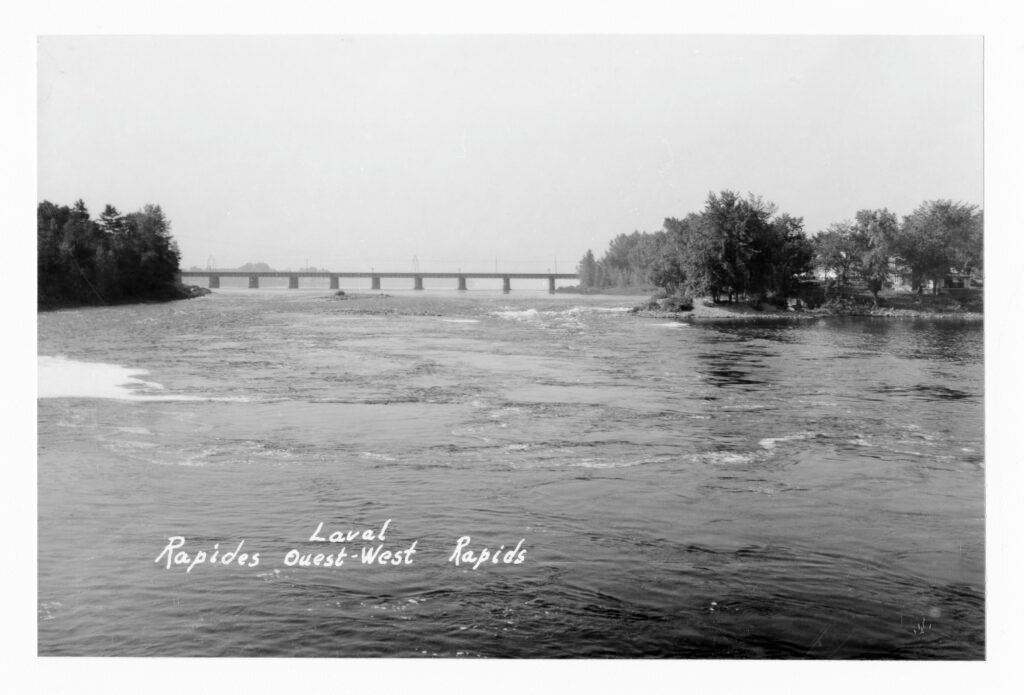
Laval-Ouest’s relationship with the river
The project will move to Laval-Ouest on October 3 for a workshop at the new Berge-aux-Quatre-Vents chalet, located at 925 Riviera Street.
Residents will be invited to discuss their relationship with the river and the role it has played in the development and identity of Laval-Ouest.
Laval photographer Christian Fleury will then use the testimonies collected during the activity to prepare a photographic report connecting the river with participants’ activities and everyday experiences.
Family recipes tell part of Saint-François’ agricultural history
On October 17, Cœur de quartier will turn its attention to Saint-François and the area’s agricultural and culinary heritage.
The workshop will take place at Ferme Forget, located at 7901 Marcel-Villeneuve Avenue.
Participants will be invited to share family recipes and discuss food traditions and the neighbourhood’s agricultural past.
Illustrator Matthieu Goyer will collect selected recipes and create a small digital collection that will later be published by Signé Laval.
Sainte-Rose workshop explores traces left by time
The fourth activity will take place in Sainte-Rose on November 5 at the new Résidence de création Marcel-Saint-Pierre.
Inspired by the work of artist-in-residence Félix Chartré-Lefebvre, the workshop will explore the passage of time through marks and traces left inside neighbourhood homes.
Participants will be invited to consider how these details can tell stories about the people who have occupied and transformed these spaces over time.
Vimont residents to discuss the neighbourhood’s industrial past
The final workshop in the first phase is scheduled for November 25 at the Centre communautaire Régent-Martimbeau in Vimont.
Residents will contribute to another recording of Laval en trois temps, this time focusing on the area’s working and industrial history.
According to Signé Laval, discussions will address the legacy of stonecutters as well as the industrial realities that continue to shape the neighbourhood today.
Fourteen workshops eventually planned across Laval
The five fall activities represent the first phase of a larger project that will eventually include 14 workshops in different parts of the city.
Signé Laval says the initiative seeks to bring together personal archives, collective memory and citizen stories while creating lasting artistic works from the material gathered.
Signé Laval is a digital cultural platform operated by Culture Laval. It maintains a collaborative events calendar, an online cultural magazine and a directory of Laval artists and cultural organizations. The Cœur de quartier project is financially supported by the Government of Quebec.