
Éconofitness reopens renovated Chomedey gym
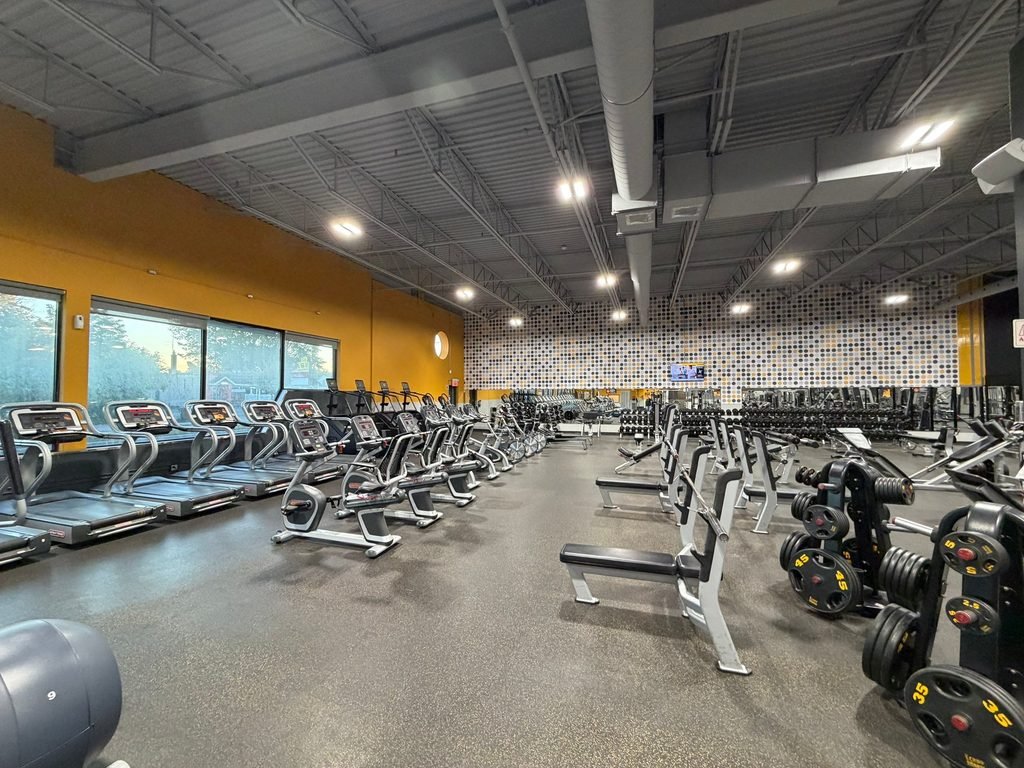
After several weeks of work, Éconofitness reopened its Chomedey location on Curé-Labelle Boulevard on October 3 following a series of renovations aimed at modernizing the gym and improving the experience for members.
The location, at 1654 Curé-Labelle Boulevard, had been closed since September 13.
Before the closure, members were informed by email that the gym would undergo a major refresh, including changes to equipment, lighting, layout and access areas.
New training and relaxation areas
According to Éconofitness, the renovations include a new Platinum Training Zone with additional strength-training machines, new squat racks and dumbbells weighing up to 100 pounds.
The entrance vestibule was expanded, while new paint, signage and LED lighting were installed throughout the gym.
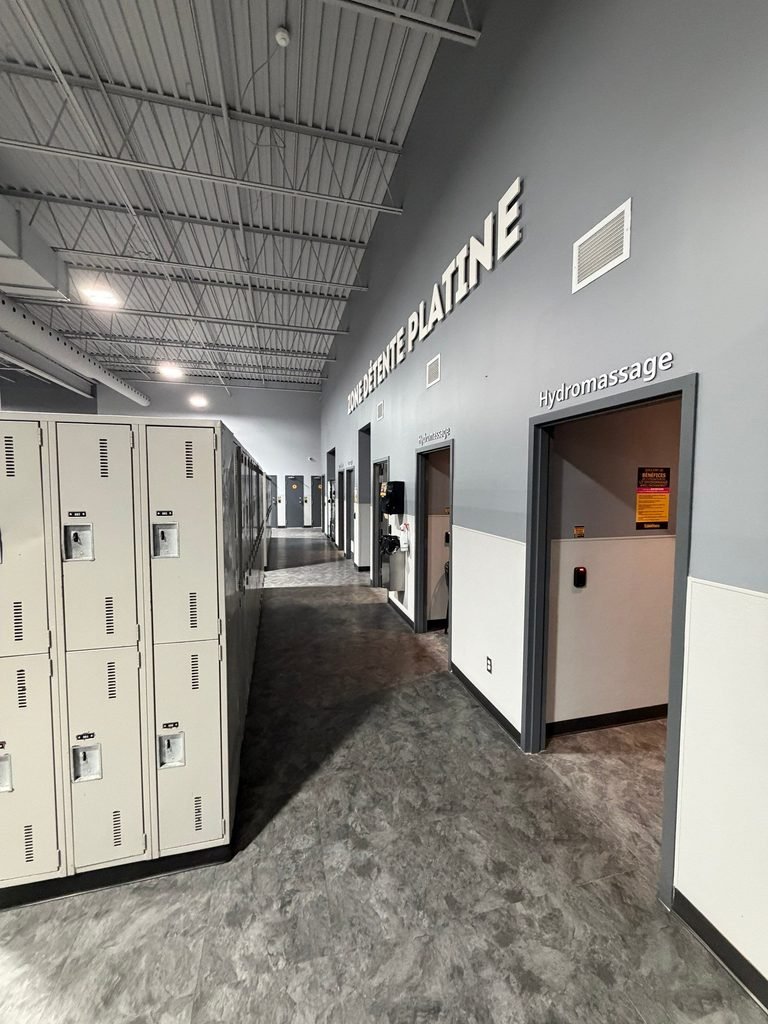
The Platinum Relaxation Zone was also redesigned to provide more privacy and now includes a cryotherapy machine and new massage chairs.
Other changes include a revised floor plan intended to improve circulation and the addition of a second water fountain.
“We want to continue investing in our network and evolving our facilities so that they remain modern, functional and adapted to the needs of our members,” said Renaud Beaudry, president and chief operating officer of Éconofitness.
Members had raised concerns before renovations
Before the renovation period, several people who use the Chomedey location contacted Laval Weekly about the condition of certain parts of the gym.
Among the concerns raised were malfunctioning treadmills, a flickering light and an exterior door that some members said did not close properly at night. Members also reported occasions when people entered the vestibule and asked gym users to let them into the facility.
Following the reopening, Laval Weekly spoke with a member leaving the gym after his workout. He said the renovations had been needed.
“It was time for them to renovate. One of the lights was flickering like in a horror movie, one treadmill out of two wasn’t working and the door wouldn’t close at night,” he said.
Asked whether he was satisfied with the changes, the member said his experience had improved.
“My workout is more enjoyable now and I use the Platinum Zone. I really think it’s a plus,” he said.
The member said he had trained at the Centropolis Éconofitness while the Chomedey location was closed and was pleased that his regular gym now offered a similar Platinum area.
“It’s my gym in Laval. I go three or four times a week and now it’s even better. It was worth the wait,” he added.
Laval Weekly has not independently established whether all of the issues described by members were directly addressed as part of the renovation project. Éconofitness did, however, announce improvements to the entrance, lighting, equipment and overall layout.
Members temporarily redirected to other locations
During the closure, members were given access during staffed hours to other Éconofitness locations in Laval.
The Chomedey location officially reopened at noon on October 3.
According to Éconofitness, the company now operates more than 75 gyms across Quebec and serves more than 285,000 active members.
(A.G.M)