

New Housing Infrastructure Agreement with Ottawa
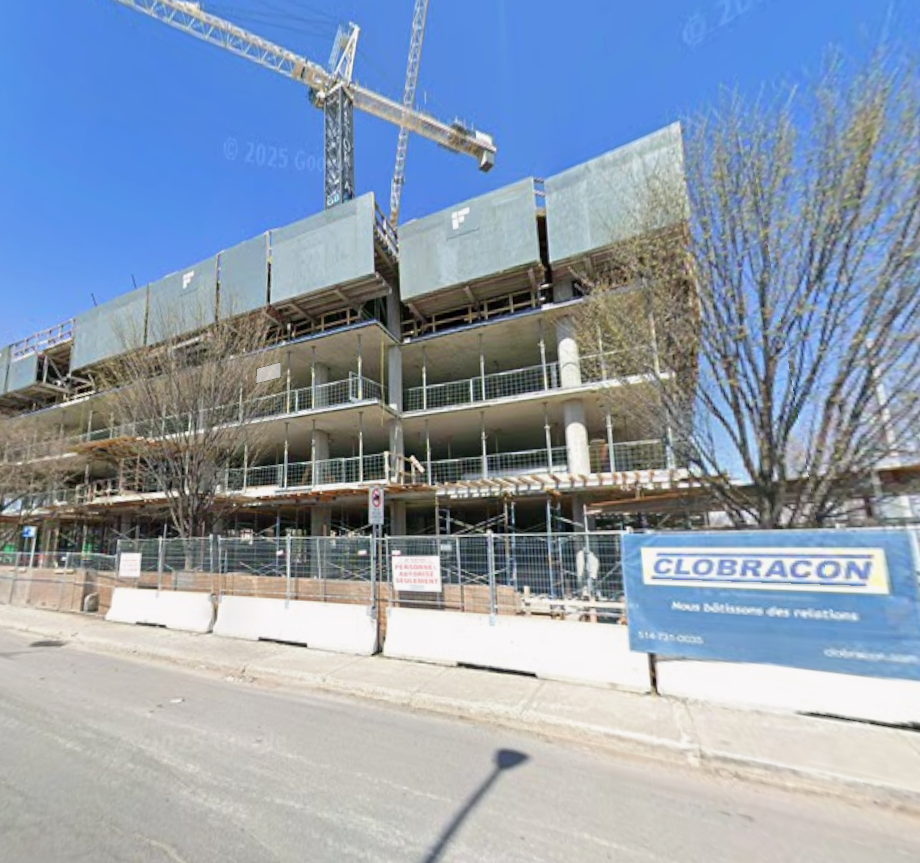
The Official Opposition’s housing and municipal affairs critics declared in a press release on January 22 that they welcome the new $1-billion agreement with the federal government, while sharply criticizing what they describe as an 18-month delay caused by the Coalition Avenir Québec (CAQ), which they say has worsened the housing crisis across the province.
The agreement, which includes the Canada Housing Infrastructure Fund (CHIF) and Housing Canada, is intended to accelerate the development of infrastructure required to support new social and affordable housing projects.
According to the opposition, while the funding is a positive step for municipalities, it arrives far too late.
“We welcome this agreement, which will help speed up the development of essential infrastructure needed to build new social and affordable housing. However, it comes much later than expected, and the consequences of this delay have been devastating,” said Virginie Dufour, Official Opposition critic for housing and MNA for Mille-Îles.
Rising costs and growing housing shortages
Opposition members argue that the prolonged negotiations have contributed to a severe shortage of affordable housing, rising inflation and a dramatic increase in construction costs. As an example, they note that upgrades to the wastewater treatment plant in L’Île-Perrot were estimated at $16 million in 2020, a figure that has now risen to more than $42 million.
They also point to a projected shortfall of 40,000 affordable housing units in 2025 alone, underscoring the scale of the crisis.
Responsibility placed on Quebec government
The opposition insists that responsibility for the delay does not lie with Ottawa, but with Quebec’s government.
According to Marie-Claude Nichols, Official Opposition critic for municipal affairs and MNA for Vaudreuil, Quebec is facing this situation for two main reasons: prolonged negotiations and a lack of clear targets and long-term planning.
“Eighteen months passed between the start of negotiations and today’s announcement, while other provinces signed similar agreements as early as 2024. Once again, Quebecers are paying the price for a government that lacks vision and concrete planning,” she said.
Call for clearer leadership
The opposition concludes that the CAQ has failed to meet the needs of citizens facing housing insecurity and argues that Quebec can and should aim for better outcomes.
The statement emphasizes the need for faster decision-making, clearer objectives and stronger collaboration with municipal partners to prevent similar delays in future infrastructure and housing initiatives.
The Official Opposition’s housing and municipal affairs critics are welcoming a new $1-billion agreement with the federal government, while sharply criticizing what they describe as an 18-month delay caused by the Coalition Avenir Québec (CAQ), a delay they say has worsened the housing crisis across the province.
The agreement, which includes the Canada Housing Infrastructure Fund (CHIF) and Housing Canada, is intended to accelerate the development of infrastructure required to support new social and affordable housing projects.
According to the opposition, while the funding is a positive step for municipalities, it arrives far too late.
“We welcome this agreement, which will help speed up the development of essential infrastructure needed to build new social and affordable housing. However, it comes much later than expected, and the consequences of this delay have been devastating,” said Virginie Dufour, Official Opposition critic for housing and MNA for Mille-Îles.
Rising costs and growing housing shortages
Opposition members argue that the prolonged negotiations have contributed to a severe shortage of affordable housing, rising inflation and a dramatic increase in construction costs. As an example, they note that upgrades to the wastewater treatment plant in L’Île-Perrot were estimated at $16 million in 2020, a figure that has now risen to more than $42 million.
They also point to a projected shortfall of 40,000 affordable housing units in 2025 alone, underscoring the scale of the crisis.
Responsibility placed on Quebec government
The opposition insists that responsibility for the delay does not lie with Ottawa, but with Quebec’s government.
According to Marie-Claude Nichols, Official Opposition critic for municipal affairs and MNA for Vaudreuil, Quebec is facing this situation for two main reasons: prolonged negotiations and a lack of clear targets and long-term planning.
“Eighteen months passed between the start of negotiations and today’s announcement, while other provinces signed similar agreements as early as 2024. Once again, Quebecers are paying the price for a government that lacks vision and concrete planning,” she said.
Call for clearer leadership
The opposition concludes that the CAQ has failed to meet the needs of citizens facing housing insecurity and argues that Quebec can and should aim for better outcomes.
The statement emphasizes the need for faster decision-making, clearer objectives and stronger collaboration with municipal partners to prevent similar delays in future infrastructure and housing initiatives.