

Artificial Intelligence Optimizes Field Operations in Laval
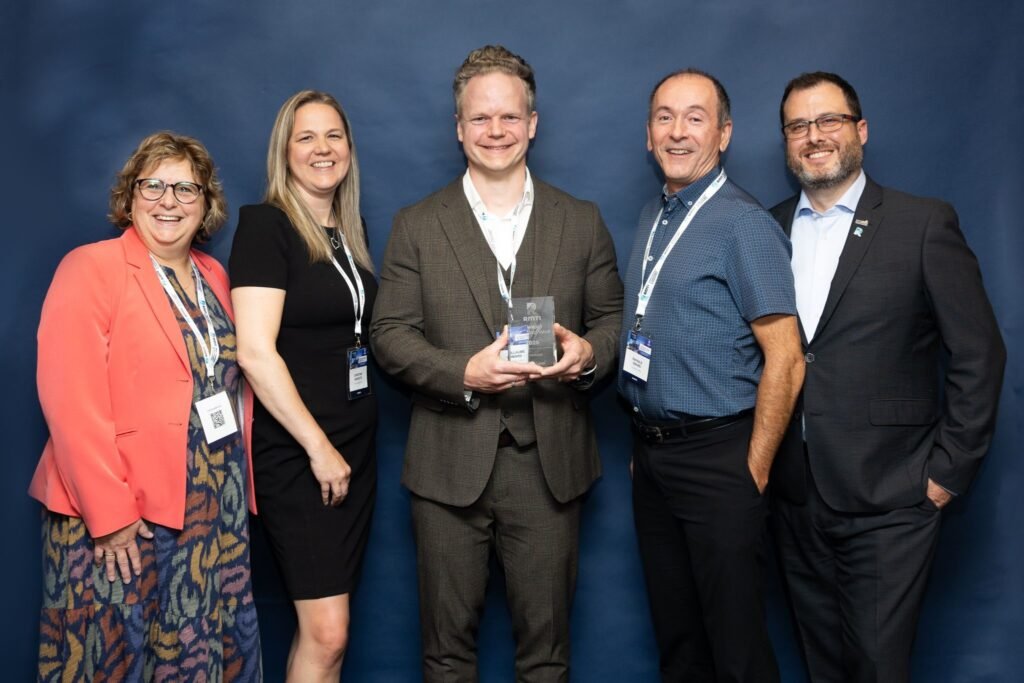
The City of Laval has been recognized for its project using machine learning to optimize municipal field interventions. The initiative won the Excellence Award in the Municipal Challenge category at the Réseau municipal en technologies de l’information (RMTI) Excellence Gala, held on September 8. The award highlights the project’s innovative approach and its positive impact on municipal management.
“Laval is leveraging new technologies to respond more effectively to the needs of residents, and this approach has been recognized. I warmly congratulate all the teams who contributed to this innovative tool. This award is well-deserved and reflects the quality of the work accomplished.”
— Stéphane Boyer, Mayor of Laval
“This advancement demonstrates how innovation and artificial intelligence allow us to improve efficiency for the benefit of citizens. It’s a key lever for our ongoing commitment to continuously improving municipal services. Congratulations to our teams!”
— Benoit Collette, Director General of Laval
An AI-driven solution developed in-house
The project was developed internally by the City’s Innovation and Technology Department in collaboration with the Buildings, Parks, and Public Spaces Department. It is designed to transform the way Laval manages interventions related to the maintenance and durability of public assets, such as street lighting, fountains, and splash pads.
So far, more than 700,000 requests have been analyzed, taking into account factors such as location, type of issue, intervention duration, available resources, and on-the-ground conditions. From these, groupings, trends, and patterns were identified to train a Bayesian optimization model that updates its strategy every week based on new data and operational realities.
By combining data analysis with algorithmic optimization, the system continuously learns and adapts, ensuring all requests are processed while eliminating 85% of duplicates. In practice, this solution supports planning and decision-making, helps mobilize teams, reduces unnecessary travel, and shortens intervention delays.